
Cold Weather Relief

Extreme Cold Relief: GFA World’s Compassionate Response in the Himalayan Region

GFA World is a humanitarian organization dedicated to serving communities in Africa and Asia. In the remote Himalayan region, where frigid winters present numerous challenges, GFA World works tirelessly to provide vital assistance and alleviate the suffering caused by extreme cold. NIH MedlinePlus Magazine reports that hypothermia occurs when body temperature drops below 95 degrees Fahrenheit, and can lead to serious health problems including heart attacks, kidney problems, liver damage, or death.

Cleveland Clinic notes that frostbite can happen in minutes, especially on extremities like fingers, toes, nose, and ears. Understanding these risks highlights why winter weather preparedness and compassionate response are essential in mountainous regions.

The Harsh Reality of Life in the Mountains


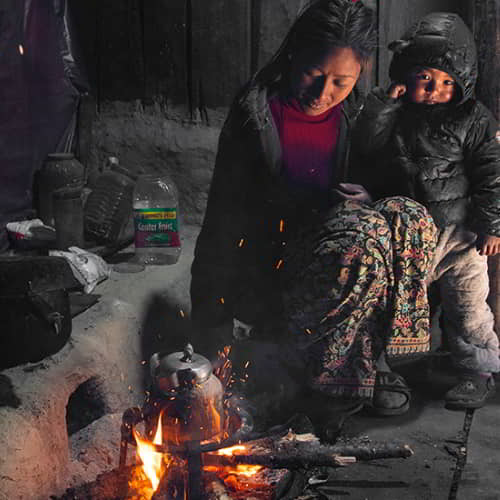
Living in the high mountains of the Himalayas comes with its own set of challenges. Rosina, a young wife and mother, shares her experience of enduring brutally cold winters.[1] With limited financial resources, the villagers struggle to acquire warm clothes.

They rely on whatever they have to protect themselves from the freezing temperatures. When extreme cold weather strikes these remote areas, families face multiple threats. According to Connecticut Department of Public Health, prolonged exposure to cold can result in frostbite, which causes loss of feeling and color in affected areas.

Rosina’s home lacks central heating. The makeshift plastic coverings do little to keep out the winter winds. The only source of heat is a dug-out space filled with firewood ash. However, the inadequate heating contributes to widespread health issues like pneumonia, coughs, colds, and headaches.

Many families experience cold symptoms that persist throughout the harsh winter months. Cleveland Clinic explains that the common cold typically runs its course within a week to ten days, but symptoms like cough and runny nose can last fourteen days or longer.

Rosina recalls the struggles she faced when her young son fell seriously ill. She had to undertake a challenging journey to the nearest hospital, hours away. Without access to basic remedies like pain relievers or a nasal decongestant, families must endure illness with minimal relief.

Understanding Cold-Related Health Risks


The connection between cold and flu season and inadequate shelter creates serious health threats in the Himalayas. Centers for Disease Control and Prevention advises that over-the-counter medicines can help reduce symptoms, but most cold symptoms will improve on their own with time. However, families in remote areas often lack access to these basic medical supplies. A sore throat, persistent cough, and body aches can weaken individuals already struggling against the cold. While there is no cure for the common , rest and fluids remain the best remedies—resources that are scarce in homes without heat or clean water.

Proper winter preparedness requires planning that many impoverished families cannot afford. Red Cross recommends emergency supply kits that include blankets, warm clothing, first aid supplies, and boots. An aid kit should also contain flashlights, extra batteries, and non-perishable food in case families need to shelter at home for several days. For the poorest villagers, assembling such supplies remains an impossible dream.

Sleepless Nights and Impaired Functioning


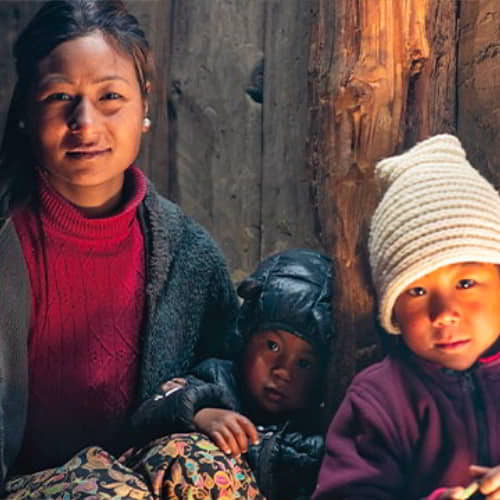
The lack of proper warmth and thick blankets results in sleepless nights for Rosina. As a consequence, she experiences difficulties in her daily activities and is unable to function optimally. Sleep deprivation due to the cold exacerbates the challenges faced by families in the region. The struggle to stay warm becomes a nightly battle that affects every family member. MedlinePlus emphasizes that maintaining warmth requires multiple layers of clothing, with base layers that wick moisture and outer layers that repel wind and snow.

When winter storms bring heavy snowfall, isolation intensifies the hardship. National Weather Service advises that winter storm survival requires preparation, including emergency heat sources and fire safety measures. A power outage in these remote villages can last for days or even weeks, leaving families without any modern heating options. Ready.gov warns that winter storms create higher risks of hypothermia, frostbite, and carbon monoxide poisoning. Installing carbon monoxide detectors and ensuring proper ventilation for heating sources can prevent deadly accidents, but these safety measures require resources many families lack.

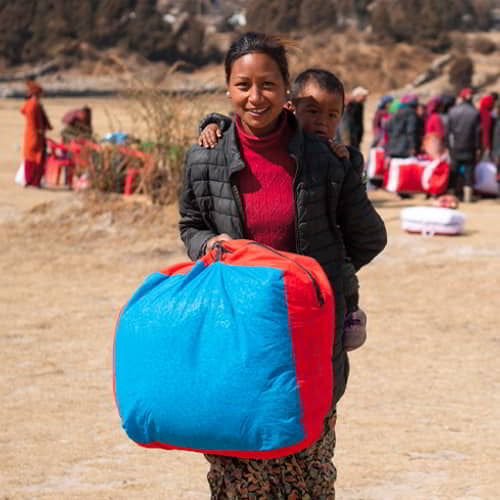
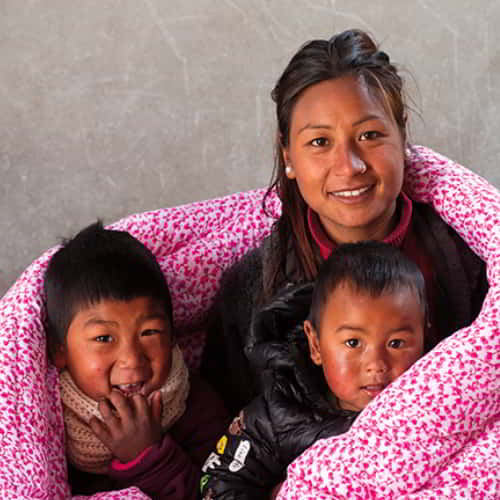
Rosina is a member of a church connected to GFA World. When the church organized a gift distribution event, blankets were provided to those in need. Rosina and her boys received a blanket that made a world of difference in their lives. The warmth not only protected them from the cold but also brought joy and gratitude. The relief extended beyond physical comfort—it represented hope and demonstrated God’s love in tangible form. This act of compassion exemplifies the profound impact a single gesture can have on a family facing the harsh realities of cold weather. Such gifts provide long term protection that helps families survive multiple winter seasons.
GFA World’s Comprehensive Assistance


Beyond gift distributions, GFA World implements a wide range of initiatives to support communities in the Himalayan region. Water well installations, education programs, and various humanitarian services are just a few examples of their comprehensive approach to addressing the challenges faced by the residents. These integrated efforts function as disaster relief , addressing both immediate crises and building community resilience.

GFA World’s holistic approach recognizes that cold weather challenges intersect with other needs. When families lack adequate nutrition, they become more vulnerable to cold-related illness. When children miss school due to winter conditions, their education suffers. By addressing multiple dimensions of poverty, GFA World helps communities build strength that carries them through harsh winters and beyond. This comprehensive strategy reflects a commitment to serving the whole person, not just meeting a single need.

GFA World works closely with local churches and pastors. They recognize the importance of community involvement in providing support to those suffering in cold weather. By partnering with existing networks, GFA World ensures a more impactful and sustainable response to the needs of the residents. Local leaders understand the specific challenges their communities face and can identify families in greatest need. This grassroots approach ensures that assistance reaches the most vulnerable, including elderly individuals and families with young children who face heightened risks during winter.

GFA World’s dedication to serving communities in the remote Himalayan region demonstrates their commitment to bringing warmth and compassion to those enduring frigid winters. Through initiatives like gift distributions and comprehensive programs, GFA World provides vital assistance to families like Rosina’s. They enable them to face the challenges of cold weather with greater resilience. Even as distant events like Hurricane Helene have drawn global attention to disaster response, the quiet crisis of cold-related suffering in mountain communities continues year after year, requiring sustained compassion and support.[2]

Join us in making a lasting impact this winter by donating toward winter clothing packets. As villagers are forced indoors and pastors face limitations in their ministry, the gift of warm clothing becomes invaluable. Your support ensures that GFA missionaries stay healthy and capable of ministering during the cold season. Moreover, the distribution of winter clothing to the poor protects the vulnerable from the freezing cold. Stand with us and provide the warmth and love that transforms lives.

Learn more about cold weather relief
[1] “Simple Gift Offers Safety for Her Sons.” GFA World. November 2021. https://www.gfa.org/news/articles/gfaworld-a-simple-gift/. Accessed February 19, 2026.
[2] “NOAA’s National Weather Service confirms 2024 was a historic year for billion-dollar weather and climate disasters.” National Oceanic and Atmospheric Administration. January 10, 2025. https://www.noaa.gov/news-release/noaas-national-weather-service-confirms-2024-was-historic-year-for-billion-dollar-weather-and-climate-disasters. Accessed February 19, 2026.