
Disaster Relief Organizations

Is a Disaster Relief Volunteer Really Needed?

The disaster relief volunteer is essential. It helps local authorities, relief groups, and nonprofits do more. One article in the International Journal of Disaster Risk Reduction notes, “Despite highly specialised and capable emergency management systems, ordinary citizens are usually first on the scene … and remain long after official services have ceased.” Citizens often play vital roles in helping those affected respond and recover. They can provide real assistance to official agencies.[1]

In many emergencies, the feeling of urgency is real—there are disaster relief volunteers needed right away. But the most helpful action is often the most prepared action. When volunteers connect with a trusted organization, the community can receive help in an orderly way. This also protects survivors, local responders, and volunteers themselves. If you feel pulled to act, support what the community is already doing. Be ready to serve for the long haul, not only in the first wave.[2][4]

For example, in 2014, a Malaysia Airlines flight went missing. There were 1,235 square miles of images taken by a satellite. They needed to be analyzed and marked for potential evidence of the flight. Thousands of people volunteered to review those images online. They marked anything that might be worth further investigation.

That example is a reminder that help is not only “on the ground.” Many people can serve through careful, behind-the-scenes support. This can include information review, communications help, and other skills that reduce confusion during crisis moments. This kind of service works best when it is connected to an organized effort. That way, survivors are not overwhelmed by mixed messages or duplicated work.[1][2]

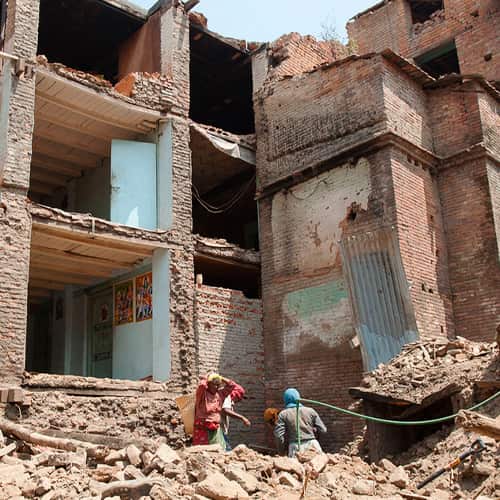
On the ground, volunteers’ hands, feet and strength help serve those in immediate need. Typically, no one single agency or organization has all the resources. It is hard to meet the needs of those recently affected by a flood, tornado or earthquake.

Because of that, organized volunteer coordination matters. It helps prevent well-meant effort from becoming extra strain on the community. A widely used guideline is simple: don’t self-deploy. Instead, affiliate with an established organization. Wait until it is safe to travel. Then accept a clear assignment with appropriate safety gear. Patience is part of real service, because recovery can continue far beyond the first news cycle.[2][4]

Here are a few practical ways to prepare so your help is truly helpful: [3] [2]

  • Register with a trusted relief organization before a crisis.
  • Take basic training offered by established groups.
  • Be ready for support roles (logistics, distribution, admin support).
  • Follow local instructions and stay within your assignment.
  • Use proper safety gear for the task you are given.
  • Plan for steady service; needs can last months or longer.
  • Protect dignity: ask, listen, and respect personal boundaries.
  • Share accurate information only from verified sources.

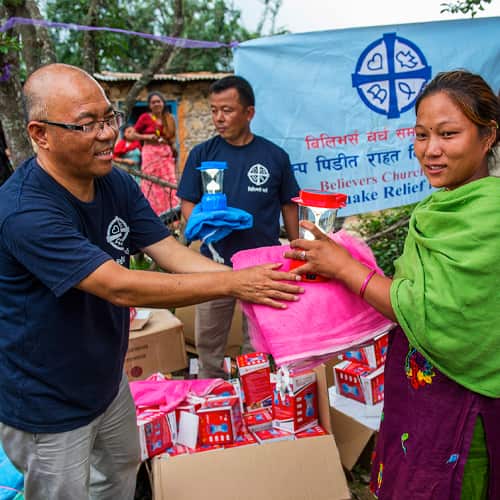
Before the volunteer can be effective, there needs to be a framework in place. This framework helps make the most of all those extra hands and feet. Non-profit organizations like GFA World have networks of programs and churches in many vulnerable places in the world, ready to respond as soon as disaster strikes.

If you want to volunteer for disaster relief, start with readiness and accountability. Look for a role that matches your skills and availability. Many organizations provide training so you can serve safely and consistently. A trained disaster response volunteer is not just willing—they are prepared to follow direction, work as a team, and serve in ways that support the community’s real priorities.[2][3]

The first way to volunteer in any disaster, no matter where or what it is, is to pray for those affected. Read about the situation in those areas and lift up their needs to the Father who hears. Pray for wisdom for responders, strength for families, and comfort for those who feel overwhelmed.

A second way to volunteer is financially. Donating to GFA World’s Compassion Services and disaster relief, for example, helps workers already in place serve the area affected. Compassion Services teams can bring food, water, medicine and other urgently needed resources. They also can counsel those they serve and pray for them, as many of them have lost family members, livelihoods and possessions. Giving can also help sustain care when immediate attention fades but needs remain.
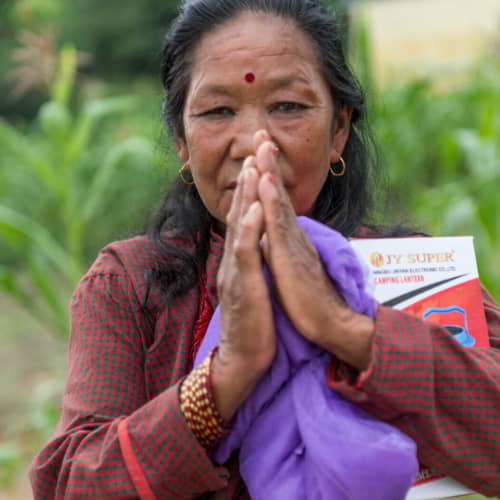
GFA missionaries love Jesus Christ and want to share God’s love and care with those they serve. They are also from the area where they serve. So they have the language and cultural background to relate lovingly and effectively to those in need.

Local connection can make relief feel safer and more personal. When helpers understand language and culture, communication can be clearer, and support can be offered with greater sensitivity. This is one way care can be delivered with respect, without pressure, and with a focus on practical needs in front of a family.[5]

Donate to GFA World today for disaster relief. Know that your gift can make a loving impact, right away. And when you give, you help strengthen steady care beyond the first days of crisis.

Learn more on disaster relief organizations

[1] Joshua Whittaker, Blythe McLennan, John Handmer. “A review of informal volunteerism in emergencies and disasters: Definition, opportunities and challenges.” International Journal of Disaster Risk Reduction. https://doi.org/10.1016/j.ijdrr.2015.07.010. September 2015.
[2] National VOAD. “Volunteer.” December 12, 2019. https://www.nvoad.org/volunteer/.
[3] American Red Cross Training Services. “Disaster Preparedness.” Accessed January 11, 2026. https://www.redcross.org/take-a-class/disaster-training.
[4] Servealabama. “Hurricane Helene Response.” Accessed January 11, 2026. https://www.servealabama.gov/hurricane-helene-response.
[5] United Nations Volunteers (UNV), UNV in Action: Disaster Risk Reduction. May 2013. https://www.unv.org/sites/default/files/UNV_Disaster_Risk_Reduction_en_web.pdf.