What Is Different about a Faith-Based Disaster Relief Organization?
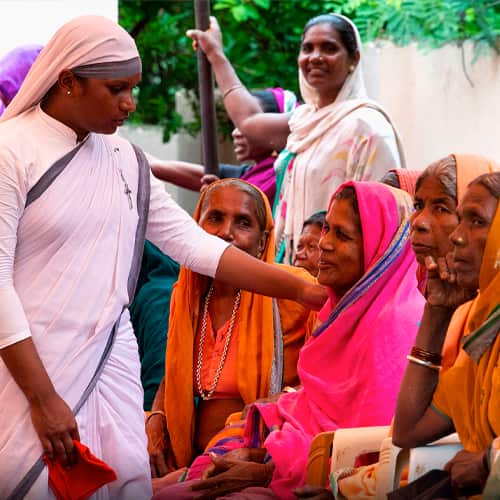
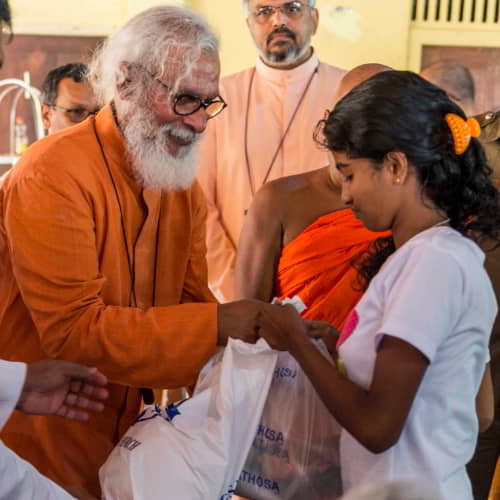
A faith-based disaster relief organization differs from others. It serves because of its strong beliefs. Those beliefs can shape how teams treat people in crisis. The reason for its service comes from faith. For example, if their faith teaches compassion or charity, they show it through action. When disaster strikes, the workers of that organization bring physical relief. They also bring the hope of their faith—whether it is a major storm like Hurricane Katrina or a local emergency close to home.
Many faith-based charities step in with compassionate help during disaster response when natural disasters strike. People may think of local congregations, Catholic charities, or other community groups when they hear “faith-based.” If you are comparing organizations, look for steady, respectful care and clear communication about what help is available. They often aim to serve with dignity, patience, and care for the whole person, not just the immediate problem.
That can include practical help and emotional support. It can also include spiritual care that is offered with respect and received by personal choice. Help should always be given freely, with no pressure.
Here are a few signs of care for the whole person:
- Practical support that fits what families say they need
- Patience and respect in stressful moments
- Clear information about what help is available and what to expect
- Follow-through after the first urgent days pass
The Heritage Foundation reports, “Faith-based groups don’t just deliver material support.”[1] They can also support emotional and spiritual needs in a crisis. In the first days, trusted teams often start by listening and checking what is most urgent. Listening first builds trust and helps responders avoid guessing.
Then they focus on essentials like safe drinking water, shelter, basic items, medical care, and emotional support. Careful needs checking helps teams avoid assumptions and respond in a way that fits the community’s real needs. In simple terms, needs checking means teams ask clear questions, confirm what they hear, and respond with care.[4]
Millions of people follow various faith traditions, and their spiritual needs are also shaken when disasters come. It’s part of our humanity. So those needs should be met in times of crisis, along with physical needs such as food, water and shelter. After a disaster, many people carry fear, grief, and unanswered questions. Respectful care makes room for that reality.
The World Health Organization notes that emergencies can disrupt daily life and impact mental health.[5] So steady emotional support can matter alongside practical help. This support helps most when it is respectful, calm, and centered on the person’s needs. Sometimes support is small but steady—showing up, listening well, and helping someone take the next step.[5]
“Spirituality is an essential part of humanity,” reports National Voluntary Organizations Active in Disaster in a report about tending to spiritual needs during and after disasters.[2] Healthy spiritual care listens first, honors personal choice, and avoids pressure in a hard moment. It also stays sensitive to each person’s background and comfort level, especially when emotions are raw. When spiritual care is offered, it should be gentle, respectful, and easy to decline.
The Heritage Foundation also pointed out that faith-based groups can work with local authorities and other organizations. This can support a coordinated response plan, especially when nearby community networks and gathering places can connect help with families quickly.[3] Coordination can also protect communities from well-meant help that arrives without a clear role.
National VOAD encourages volunteers to affiliate with an organization and avoid showing up on their own, because disaster sites are complex and safety planning matters.[7]
Coordination can sound formal, but it often comes down to simple agreements:
- Decide who is doing what
- Share accurate updates
- Set safe, clear ways to distribute supplies
- Reduce confusion and duplication
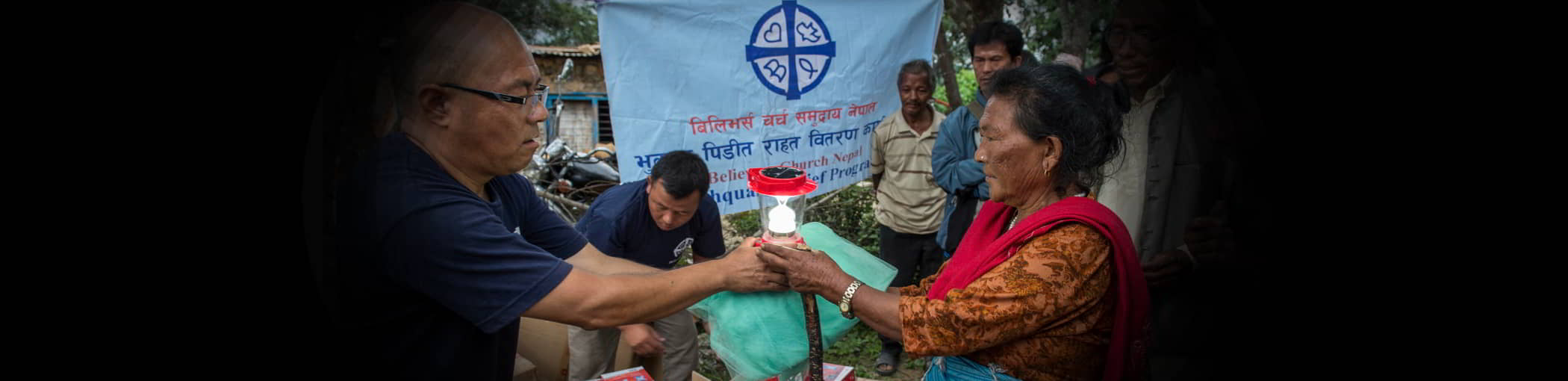
This is where GFA World can help. GFA World’s already established churches and programs can help teams understand local needs. Because relationships already exist, teams can listen quickly and learn what is urgent. Then they can respond in ways that fit the community. It also means we are there long after official agencies or other relief organizations leave. GFA missionaries want to care for the hurting in meaningful ways that last.
That steady presence can support relief and recovery through the full arc of a crisis, from the first days through rebuilding. When the headlines fade, families may still need patient, steady support—especially as normal routines return slowly.
It can also support case management. In case management, a skilled helper partners with a person or family affected by disaster. Together, they set realistic recovery goals and connect with available resources. In everyday words, case management means walking with a family as they sort needs, choose next steps, and connect with the right help.[6] When volunteers serve through an organized effort, they can receive clear assignments and safety guidance instead of adding strain to a community.[7]
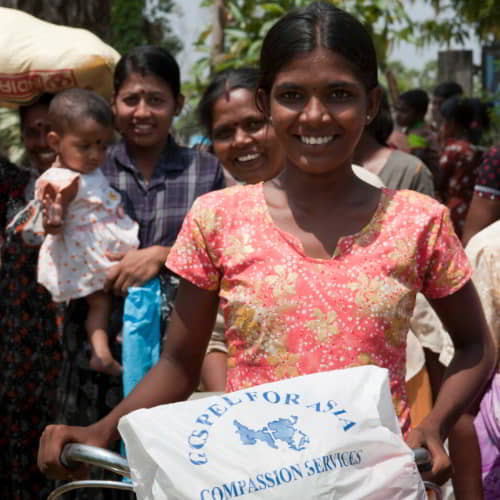
Donating to GFA’s disaster relief efforts and Compassion Services teams is a way to offer care around the world. It is also a way to share the love of Jesus Christ with those whose lives have been turned upside down. Floods, earthquakes, cyclones, tsunamis and wildfires are often short. But their effects can be felt for months or even years as people recover and rebuild. That is why support that helps in the first days and continues through recovery matters.
If you are looking for a safe way to help, two simple starting points are:
- Give through a trusted organization
- Volunteer through a recognized group, not on your own
Many public disaster-help guides encourage financial gifts to a trusted organization. One reason is flexibility. Funds can buy what is needed, when it is needed. Some donors also choose flexible funds that allow responders to move help to the greatest needs as they change. [8] [9] In many responses, trained disaster volunteers are most helpful when they deploy through an established organization, with an assignment and proper safety gear.
Giving can also strengthen recovery efforts after early emergency needs are stabilized. Flexible giving can also help responders adjust when needs change from day to day. [7]
In poor areas, a disaster can leave people more at risk in their fight for survival. Give to GFA World. GFA World wants to step into the hardest situations. They provide immediate relief and help for the future.
Along with giving, simple disaster preparedness steps—like making a household plan, assigning roles, and practicing key steps—can help families respond with less panic in a crisis. Preparedness is not panic. It is a calm way to be ready to care for one another. [10] As communities heal over time, steady support can help restore routine, safety, and hope. All of it is accompanied by the love of Jesus Christ expressed through these acts of kindness.
Learn more on disaster relief organizations[1] Burke, Monica and Genevieve McNalis. “How Faith-Based Organizations Are Helping Communities Recover After Hurricane Florence.” The Heritage Foundation. https://www.heritage.org/civil-society/commentary/how-faith-based-organizations-are-helping-communities-recover-after#:~:text=Faith%2Dbased%20groups%20can%20tend,actors%20to%20maximize%20relief%20efforts. September 28, 2018.
[2] “Light Our Way.” NVOAD. https://www.nvoad.org/wp-content/uploads/light_our_way_2018_final-published-copy.pdf. 2018.
[3] Burke, Monica and Genevieve McNalis. “How Faith-Based Organizations Are Helping Communities Recover After Hurricane Florence.” The Heritage Foundation. https://www.heritage.org/civil-society/commentary/how-faith-based-organizations-are-helping-communities-recover-after#:~:text=Faith%2Dbased%20groups%20can%20tend,actors%20to%20maximize%20relief%20efforts. September 28, 2018.
[4] IFRC. “Emergency Needs Assessments.” Accessed January 11, 2026. https://www.ifrc.org/our-work/disasters-climate-and-crises/supporting-local-humanitarian-action/emergency-needs.
[5] World Health Organization: WHO. “Mental Health in Emergencies.” World Health Organization: WHO, May 6, 2025. https://www.who.int/news-room/fact-sheets/detail/mental-health-in-emergencies.
[6] DEVOAD. “Disaster Case Management (DCM) Guidelines.” May 11, 2021. https://www.devoad.org/resources/disaster-case-management-dcm-guidelines/.
[7] National VOAD. “Volunteer.” December 12, 2019. https://www.nvoad.org/volunteer/.
[8] USAGov. “How to Help Survivors after a Disaster.” Accessed January 11, 2026. https://www.usa.gov/help-disaster-survivors.
[9] IFRC. “Donate.” Accessed January 11, 2026. https://www.ifrc.org/donate.
[10] Red Cross. “Disaster Preparedness Plan.” Accessed January 11, 2026. https://www.redcross.org/get-help/how-to-prepare-for-emergencies/make-a-plan.html.