
Local Missionaries in Asia: The Sisters of Compassion’s Unseen Impact of Hope and Transformation
In the lands where the sun rises over the vast landscapes of Asia, leading lives of quiet despair are many people of unmeasured impact who are simply overlooked and neglected. However, among the ignored and neglected, a group of devoted women called Sisters of Compassion are effecting real change in measurable ways. Bearing the burdens of those with profound needs, these local missionaries within Africa and Asia have been raised up and trained by GFA World to offer practical compassion―hand care, touch care and extending the respect and attention that every individual deserves.
The Heart of Service
Leprosy remains a significant health challenge across multiple regions, with more than 120 countries reporting cases WHO despite medical advances. In 2024 alone, 172,717 new cases were detected globally WHO, revealing that this ancient disease continues to affect vulnerable populations. The impact extends far beyond physical symptoms — those affected face profound social exclusion and discrimination that drive cycles of poverty and marginalization Lepra. Many unreached people groups live in communities where stigma surrounding illness creates barriers to care and dignity.
For those residing in leprosy colonies, daily existence presents overwhelming challenges. Research shows that social exclusion negatively impacts mental health, employment prospects, and access to essential services NLR. Individuals experience feelings of loneliness, depression, anxiety, and low self-esteem NLR as they navigate rejection from families and communities. This is where dedicated christian worker teams step forward with compassionate presence.
Meeting Profound Needs
Geeta is a Sister of Compassion in a leper colony where 30 families, consisting of a minimum of 10 persons in each family, reside. Many members of each family cannot work due to their disease, and some are permanently disabled.
The colony faces severe challenges beyond the disease itself. Studies indicate that high levels of perceived stigma lead to delays in seeking treatment and heightened stress due to fear of judgment PLOS. Residents often live in marginalized communities with limited healthcare access PLOS, creating compounded barriers to wellbeing. Into this environment of isolation, the Sisters bring practical, hands-on care that addresses immediate physical needs.
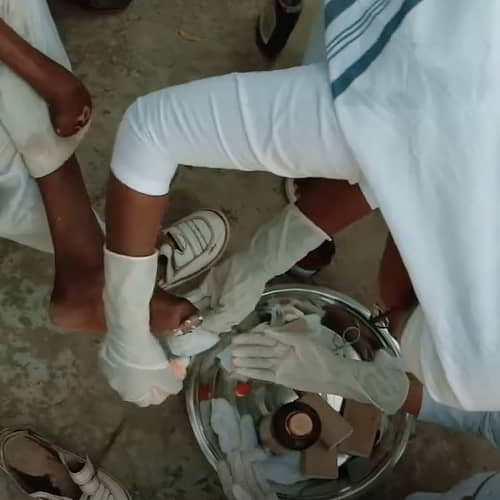
Providing them with much-needed personal care, the Sisters of Compassion will trim their hair and give them baths, cleaning the scabies and foul-smelling wounds that the colony residents cannot tend to on their own. In addition, the Sisters of Compassion massage their muscles and stimulate circulation, even wash the clothes of those who struggle with this chore because for instance, leprosy has taken their fingers.
Their ministry goes beyond basic hygiene assistance. The Sisters demonstrate that compassionate care means treating each patient with dignity, offering comfort and kindness in the face of suffering Medicalmissions. This approach addresses not only physical ailments but helps restore residents’ sense of worth and value Medicalmissions. Through faithful presence, these women embody practical ways to share the gospel through action.
While in the colony, the Sisters of Compassion pray for the residents and offer words of hope and encouragement. [1]
A Ministry of Dignity
Geeta states, “We do all this because of the love of God.” They take His love deep into these communities, ministering with practical compassion, reaching into places other helpers do not go.
This love-motivated service creates transformative impact in previously neglected spaces. Research confirms that Christian healthcare workers view their work as an opportunity to demonstrate God’s love through actions Medicalmissions rather than mere words. Their compassionate approach touches lives and leaves lasting impact on the communities they reach Medicalmissions. By sharing the good news through demonstrated care, the Sisters build bridges of hope.
The Sisters of Compassion are not an outside source but considered loving family by leprosy residents. They fully understand the culture and customs of Asia as well as the language and dialect of those they share a lifestyle with.
Local missionaries possess unique advantages in reaching marginalized populations. Studies show that indigenous leaders who know the local language, understand the culture, and maintain existing community relationships significantly enhance ministry effectiveness Petros Network. These workers can navigate cultural nuances and build on established relationships Petros Network in ways external helpers cannot. Their connection to local churches strengthens sustainable, long-term impact.
They wear their simple, handspun uniform, a white sari, mirroring the attire of the lowest servant of Asia. Each touch and each smile they extend injects much-needed hope and attention into these often-forlorn communities. The white sari states, “I am here to serve you. I see your worth.”[2]
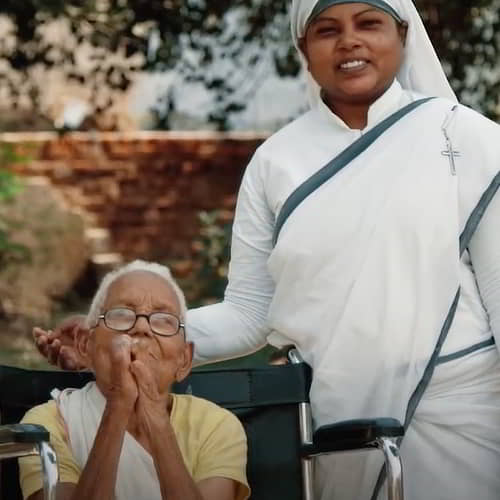
This humble approach embodies servanthood modeled by Jesus Christ in His earthly ministry. Scripture records that Jesus demonstrated servant leadership by meeting both physical and spiritual needs of those society marginalized. The Sisters follow this example, offering care that restores human dignity alongside practical assistance. Their presence declares that every person holds inherent worth regardless of circumstance or condition.
Partnership in Compassion
While the collective efforts of the Sisters of Compassion are making a difference in the lives of the many men and women who are being affected, they cannot do this alone. They need all the support of those who believe in them and want their impact to continue.
Global partnership enables local compassionate ministry to expand and deepen. Research demonstrates that faith-based organizations working with vulnerable communities create holistic approaches that address physical, relational, and spiritual wholeness World Vision. Supporting indigenous workers proves more effective and sustainable than external interventions alone World Vision, as local ministers remain embedded in their communities long-term. Your partnership transforms how care reaches those society overlooks.
You can sponsor the life of a Sister of Compassion, and through your partnership with them, hope and dignity can be distributed to those in great need whom our society often neglects and overlooks.
Each sponsorship provides essential resources for ongoing ministry among marginalized populations. Your support enables Sisters to continue offering medical treatment, comforting presence, and compassionate care Medicalmissions in leprosy colonies where few others venture. Together, we demonstrate Christ’s love to communities experiencing profound isolation and need.
Learn more about national missionaries in Asia[1] “One of the Many Leprosy Colonies Being Transformed by Love.” GFA World. Video. YouTube. January 18, 2021. https://www.youtube.com/watch?v=XrgYeW2ZFLk.
[2] Ibid.
[3] “For even the Son of Man did not come to be served, but to serve, and to give His life a ransom for many” (Mark 10:45, NKJV).