



What Do Christian Missionaries Do? Share the Good News of Jesus, Serve People in Christ’s Name

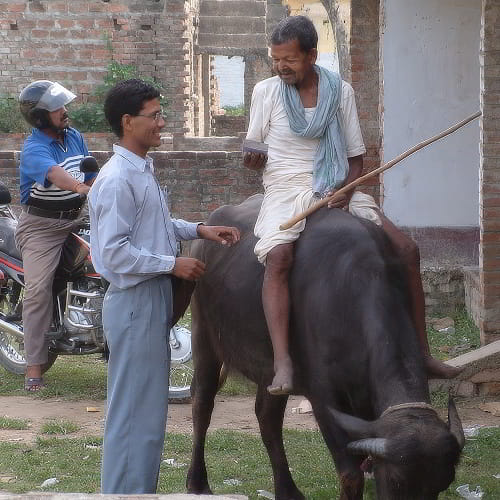
When people ask, “What do Christian missionaries do?” they’re often seeking to understand the essential roles and responsibilities of those who dedicate their lives to serving others in the name of Christ. Christian missionaries, especially the national missionaries supported by GFA World, are involved in both spiritual and practical work, addressing communities’ physical, emotional and spiritual needs. Their mission is to share the love of Christ, help those in need and cultivate transformation through faith and service.
At the core of GFA World’s work is the commitment to reaching those who have never heard the Good News. GFA missionaries serve people in places with little access to the message of Christ or the necessities of life.
Through spreading the Good News, church planting and compassionate outreach, GFA World missionaries share the hope that Jesus offers while meeting essential needs like healthcare, clean water, education and poverty relief.
This calling finds its roots in Matthew 28, where the Great Commission calls believers to make disciples of all nations.
National missionaries serve among their own people, bringing cultural understanding that bridges barriers.
A Missionary’s Journey
One powerful story that illustrates the work of GFA missionaries is that of Pastor Pesach.[1] After coming to Christ himself, Pesach felt a deep calling to return to his village and share the Good News with others.
His journey began when he was visited by three Christians who shared the love of God with him in 1990. At that time, Pesach was a police inspector with a wife and children, living what seemed to be a fulfilled life.
However, despite his material success, he lacked true peace and joy. After hearing the Good News, Pesach made a life-changing decision to follow Christ, and soon after, he sensed the call to leave his career and pursue full-time ministry.
Pastor Pesach’s work in his home village began with the simple desire to plant a church. His village had no Christian fellowship, so he started a small prayer group that met weekly.
This was the beginning of a vibrant church community that, over time, would grow and spread to other villages. His ministry reached people who had never heard about Christ’s life-transforming power.


Where Missionaries Serve
This story also answers, “Where are Christian missionaries needed most?” In regions like Pesach’s village, where poverty, lack of education and limited access to healthcare persist, missionaries like those supported by GFA World are working to bring physical relief and spiritual hope.
Many of these areas are underserved by local resources, and the people are often hungry for food and the hope that the Good News provides.
Missionaries in these contexts embody the role of Christian missionaries as spiritual guides and practical servants. They demonstrate what missionaries do in Christianity—proclaiming truth while meeting tangible needs.
What do Christian Missionaries do? Meet Needs
The Great Commission remains the driving force behind mission work today. The command to make disciples extends to every nation and people group.
The Holy Spirit empowers missionaries to carry out this mandate. Throughout Acts, believers established local churches and proclaimed the message.
This pattern continues through Christian missions today. National missionaries follow this biblical model by planting churches in their own communities.
The Word of God remains central to all missionary activity. Missionaries share Scripture, teach biblical principles, and help believers grow in understanding Jesus Christ.
Serving Communities Through Healthcare and Education
The activities of Christian missionaries through GFA World extend far beyond preaching. Our missionaries are deeply involved in meeting people’s physical and emotional needs.
One central area of focus is healthcare. In many rural areas where GFA missionaries work, medical resources are scarce.
Missionaries often provide medical assistance, distribute medicine and even help build clinics where none exist. These efforts ensure that communities are cared for both spiritually and physically, which fosters trust and opens doors for deeper relationships.
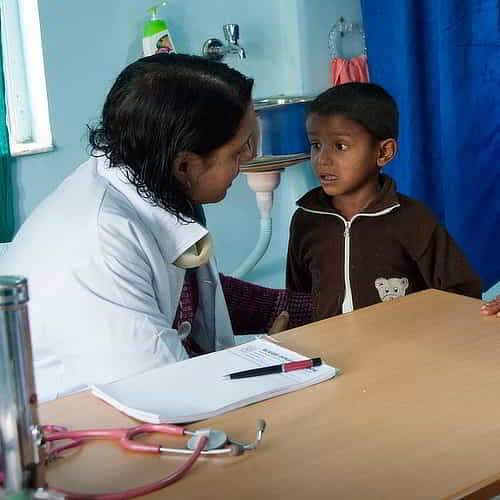
Medical camps, free health screenings, and emergency care represent crucial humanitarian aid that missionaries provide. WHO data shows at least half the world lacks access to essential health services.
For families in remote villages, a missionary-led medical camp may be their only healthcare encounter. These initiatives demonstrate Christ’s compassion beyond language barriers.
Education is another vital area where GFA World missionaries serve. Many villages have no schools, or if they do, many families cannot afford the required supplies or tutoring.
Both circumstances leave children with limited opportunities for a better future. GFA World provides education support according to the specific needs of the community. Helping ensure children who would have no hope of breaking the cycle of poverty can do so.
Educational programs include not only formal schooling but also literacy initiatives and vocational training. UNESCO research confirms education is foundational to sustainable development.
When missionaries invest in a child’s education, they invest in entire communities. Educated children become leaders and change-makers who continue the transformation.
Building Lasting Impact Through Testimony and Training
Perhaps one of the most impactful ways GFA missionaries serve is through their testimonies. The Christian missionary testimony is essential in building relationships and spreading the message of Christ.
Missionaries connect with people by sharing their stories of how God has worked in their lives. These testimonies prove that the love of Christ is not just an abstract concept but a living reality that changes lives and provides eternal hope.
Pastor Pesach’s story is a powerful example of how a missionary’s testimony can lead to transformative change. After Pastor Pesach prayed for the healing of Sima, a young man in his village who had suffered from debilitating eye issues, the young man experienced a miraculous healing.
Sima’s eyes were restored, and he soon came to faith in Christ. This healing moment was the beginning of Sima’s journey of faith, and he would later become a pastor, continuing the work that Pesach had begun.
Through GFA World’s discipleship programs, Sima was equipped to lead others and share the Good News with people in places that had never heard.[2]
Stories like Sima’s show how the Christian faith spreads through personal encounter. When people witness genuine change in their neighbors, they become open to the message.

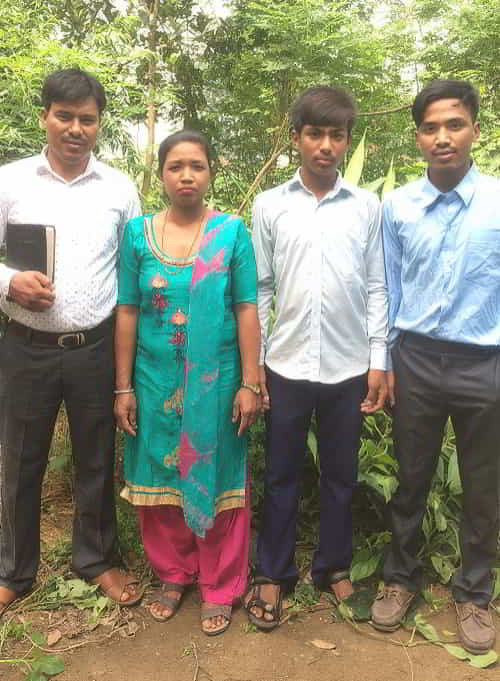
This chain reaction of ministry is a hallmark of GFA World’s work. By training national missionaries who understand their communities’ language, culture and needs, we can minister more effectively to people who may not have heard the name of Christ even one time.
Today, Sima is just one of many young leaders carrying on the mission in his community and beyond, planting churches and sharing the Good News where it was once unknown.
National missionaries are uniquely positioned to reach unreached people groups within their own nations. The Joshua Project defines these as groups with under 2% evangelical Christian population.
GFA World equips missionaries to serve these communities. Rather than sending missionaries from distant countries, GFA empowers local believers who understand the language and culture.
This approach proves more sustainable for church planting and spreading the Gospel in resistant areas. National missionaries can remain for decades, building deep relationships.
The work of sharing the Gospel requires both courage and cultural sensitivity. National missionaries bring both, combining deep love for their people with biblical truth.

Lasting Impact and Transformation
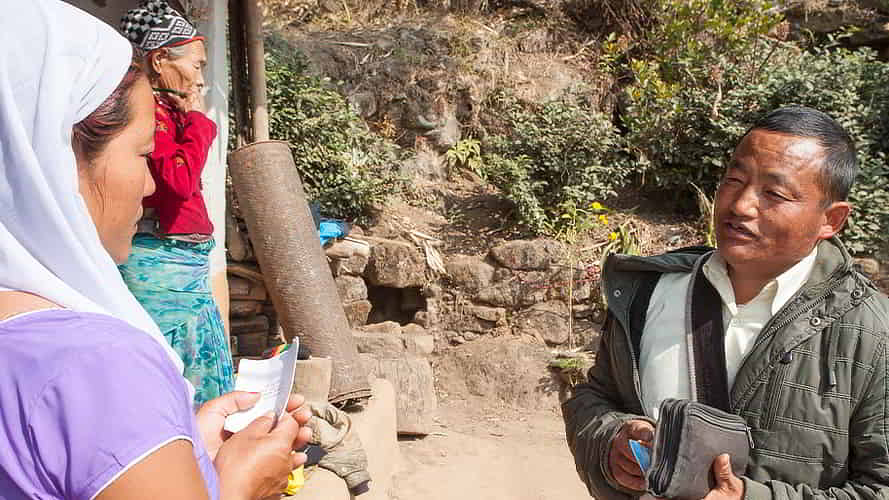
The impact of GFA missionaries is seen in both immediate and long-term results. In the short term, missionaries may help communities with medical care, food distribution or emergency relief.
But the longer-term effects are even more powerful. GFA missionaries create sustainable change that continues long after they leave by planting churches and working with village leaders to help solve problems according to the village’s particular needs.
These efforts build lasting relationships and help communities grow in their faith, health and opportunities.
The multiplication effect becomes evident over time. One missionary plants a church, disciples believers, and raises up leaders who plant more churches.
GFA World national missionaries are not just bringing the message of Christ; they are creating lasting, transformative change in the communities they serve, making a difference in some of the most underserved and difficult to reach places on earth.
When reflecting on “What do Christian missionaries do?” it’s clear that GFA missionaries are deeply committed to serving others.
They are involved in spreading the Good News but also in caring for the practical needs of the people they serve. Through their work, they demonstrate the love of Christ in tangible ways and bring hope to places that desperately need it.
Their efforts are about leading people to faith and creating a legacy of transformation in the communities they serve.

[1] “New Believer Becomes Ministry Catalyst.” GFA World. April 2023. https://www.gfa.org/news/articles/new-believer-becomes-ministry-catalyst-wfr23-04b/. Accessed March 20, 2026.
[2] Ibid.
[3] “The Great Commission.” Bible Gateway. Matthew 28:18-20 (NKJV). https://www.biblegateway.com/passage/?search=Matthew+28%3A18-20&version=NKJV. Accessed March 20, 2026.
[4] “Universal Health Coverage (UHC).” World Health Organization. December 2023. https://www.who.int/news-room/fact-sheets/detail/universal-health-coverage-(uhc). Accessed March 20, 2026.
[5] “Education is Key to Sustainable Development.” UNESCO. November 2015. https://en.unesco.org/news/education-key-sustainable-development. Accessed March 20, 2026.
[6] “Definitions.” Joshua Project. Accessed March 20, 2026. https://joshuaproject.net/help/definitions.