
What is the Great Commandment and the Great Commission?
When asking, “What is the Great Commandment and the Great Commission?” it is important to know they are not two ways to say the same thing, but the terms are linked. Understanding the relationship between the great commandment and the great commission helps believers see how faith works in daily life. Many Christians struggle to connect these two teachings. Yet they form the foundation for how we live out our faith. Both guide our relationship with God and others.
Both instructions come from Jesus Christ Himself during His earthly ministry. One addresses our vertical relationship with God. The other describes our horizontal mission to the world. Together, they create a complete picture of what it means to follow Him. Neither stands alone; both work in harmony.
Understanding the Great Commandment
The Great Commandment, or the Greatest Commandment, is found in Matthew 22:36–40. Religious leaders asked Jesus which commandment mattered most among all the laws.[4] His answer revealed what God values above everything else. Love defines the heart of God’s law.
Jesus said, “‘You shall love the Lord your God with all your heart, with all your soul, and with all your mind.’ This is the first and great commandment. And the second is like it: ‘You shall love your neighbor as yourself.'” (NKJV). These two commands cannot be separated. We demonstrate our love for God by loving those He has placed around us.
Love for God must express itself through action. When we serve others, we serve Him. This is not optional for believers but central to our calling. True faith always produces genuine love.[5]
Conversely, the Great Commission is found in Matthew 28:18-20, among other places. The Great Commission describes what Jesus gave to His followers as their primary mission. This command came after His resurrection and before His ascension.
The Great Commission Explained
After His resurrection, Jesus told the disciples, “Go therefore and make disciples of all the nations, baptizing them in the name of the Father and of the Son and of the Holy Spirit, teaching them to observe all things that I have commanded you; and lo, I am with you always, even to the end of the age” (NKJV).
Making disciples involves more than simply sharing good news about salvation. The process includes teaching them to obey everything Jesus commanded. This ongoing work transforms lives and builds communities of faith. Discipleship continues throughout a believer’s entire life.
True disciple-making happens through relationships, not just programs. It requires walking alongside others as they learn to follow Christ. We model obedience and help them grow in faith. Our lives become living lessons for new believers.
What It Means to Make Disciples
The command to make disciples has three key components. First, believers must go into their communities and beyond. Second, they welcome new believers into God’s family. Third, they teach these new followers to obey Christ’s teachings. All three parts work together to fulfill the mission.
Discipleship begins before a person comes to faith. It continues as they grow in obedience. Teaching involves both explaining truth and demonstrating how to live it out. Knowledge without application remains incomplete. Believers must live what they teach.
How They Work Together
These passages are related. In one, Jesus says to love God and love your neighbor. In the other, He says to make disciples of all nations. The two instructions complement each other perfectly. One shows the heart; the other shows the hands.
Rather than leave a confusing puzzle, Jesus has given us both the Commandment and the way to fulfill it. The two teachings fit together like hand and glove. The Great Commission is the way believers can carry out and obey the Great Commandment.
By making disciples and teaching them about God, we do the Lord’s will—showing our love for Him. We love our neighbors by showing them the love of God. When we share the good news with others, we practice the highest form of neighbor-love. We introduce them to the One who can transform their lives forever.
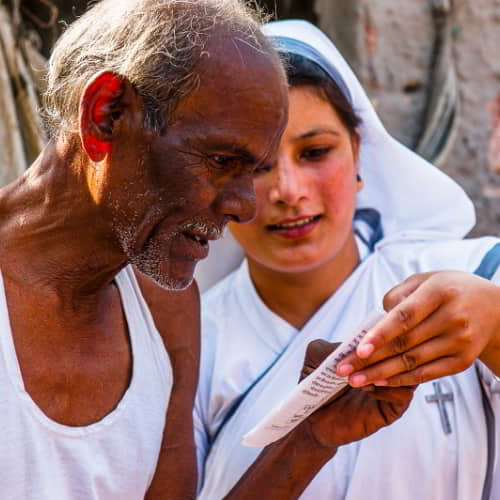
Love requires action, not just feelings. Service to others becomes the visible expression of our faith. Words alone cannot convince people of God’s love. Our deeds must match our message. Believers fulfill the great commission through both proclamation and demonstration.
Authentic love meets both physical and spiritual needs. It cares for the whole person. This holistic approach reflects God’s heart for humanity. He cares about every aspect of life.
GFA World’s Response
GFA World is determined to carry out both the Commandment and Commission in our ministries. Our vision is “to meet tangible needs of precious people and show God’s love to those who need it most.”[1] This vision is all about loving God and loving our neighbors around the world.
This holistic approach addresses physical, emotional, and spiritual needs together. Clean water opens doors for spiritual conversations. Education empowers families to escape poverty. Health care demonstrates God’s compassion in tangible ways.
When communities experience practical help, they become receptive to spiritual truth. Meeting basic needs shows that God cares about their daily struggles. This opens hearts to receive hope. People see faith in action through service.
Meeting Physical Needs
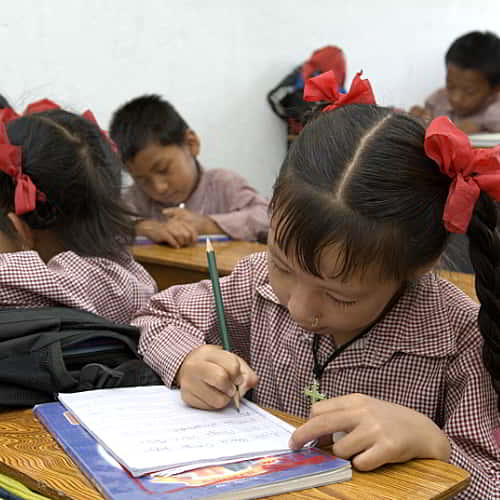
Our Child Sponsorship Program helps thousands of children in Africa and Asia attend school. They eat nutritious food, drink clean water, and learn good hygiene. These children break the cycle of poverty. Through all of that, they realize that there is a God who cares.[2]
When children receive consistent care, they see God’s love in action. Parents witness transformation in their families. Communities experience hope where despair once reigned. These practical blessings open hearts to spiritual truth.
Millions of people around the world still have never heard about God’s love. Many live in areas where access to basic necessities remains limited. GFA’s work bridges both physical and spiritual gaps. Our ministry operates with cultural sensitivity and local understanding.
Sharing Spiritual Truth
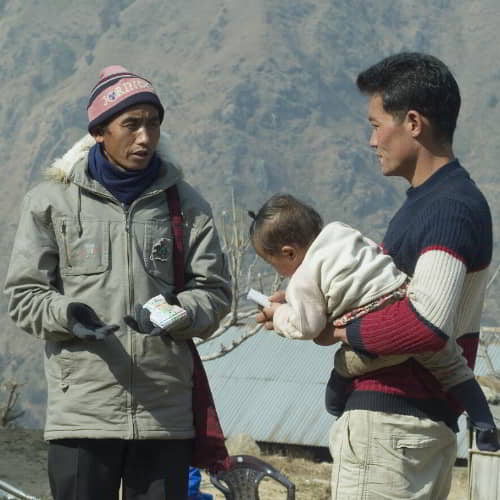
GFA’s national missionaries embody the Great Commission. They share the gospel in areas that have never heard the name of Jesus before. They are trained and sent out among their own people to make disciples and establish churches.[3]
Their cultural understanding and language skills allow them to connect authentically. They know local customs and beliefs. This knowledge helps them communicate truth effectively. National workers face fewer barriers than outside missionaries would encounter.
These faithful servants demonstrate both parts of Jesus’ teaching. They love God by obeying His commission. They love their neighbors by meeting needs and introducing people to Christ. Their lives show what it means to integrate the Commandment with the Commission.
Every day, these workers face challenges and celebrate victories. They serve in remote villages and crowded cities. Their dedication brings hope to communities across Africa and Asia. Each day brings new opportunities to serve.
As all of us believers answer “What is the Great Commission?” for ourselves, consider supporting GFA. Sponsoring a child or missionary ensures more and more people hear about God’s love and become disciples.
Learn more about what is the great commission[1] “Our Ministries.” GFA World. https://www.gfa.org/ministries/. Accessed July 12, 2023.
[2] “Sponsor a Child with GFA World.” GFA World. https://www.gfa.org/sponsorachild/. Accessed July 12, 2023.
[3] “National Missionaries.” GFA World. https://www.gfa.org/sponsor/. Accessed July 12, 2023.
[4] “What is the Great Commission?” GotQuestions.org. https://www.gotquestions.org/great-commission.html. Accessed September 15, 2005.
[5] “Share God’s Love With Your Neighbors.” The Navigators. https://www.navigators.org/resource/neighbors/. Accessed May 29, 2024.