
Women Missionaries

Women Missionaries

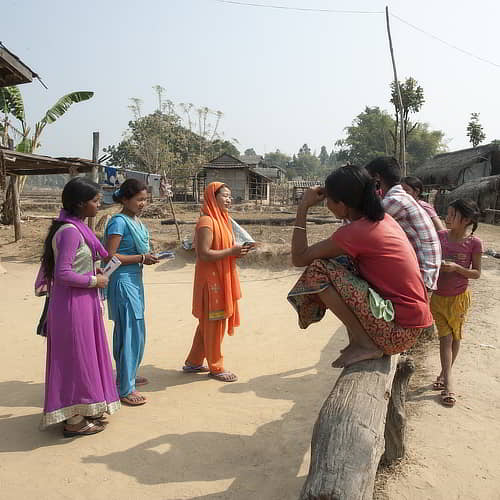
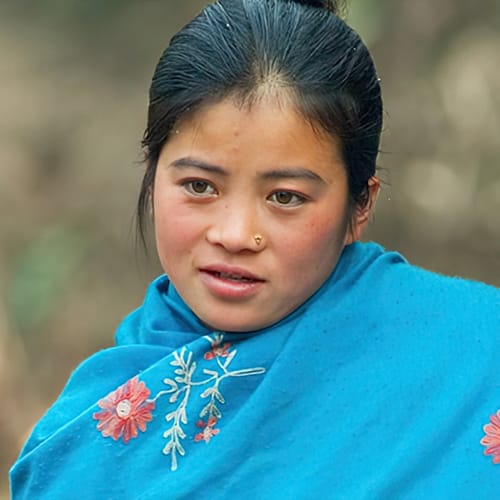
Women missionaries have an important role in the Great Commission that Jesus gave to His followers. Throughout the history of the missionary movement, God has used women in unique ways to serve other women in their communities. This matters because many women face heavy burdens, and they need care that honors their dignity. Women missionaries can step into those moments with patience, respect, and a listening heart. Often, that starts with showing up consistently, not with big speeches. It can look like asking gentle questions and making space for tears, silence, or honest doubts. It can also mean noticing practical needs and offering help in a way that protects dignity. They often begin with simple acts of presence—listening, praying, and offering practical help when a need is shared. Practical help can be simple and respectful. It may include checking in, helping someone feel less alone, or guiding a person toward safe support they can trust. Over time, steady care can help a woman feel seen and valued.

These women often face real challenges where they live and serve, but they also have distinct advantages in many settings. In many places, a woman’s steady friendship can open space for trust in a way that feels safe and respectful. Several of these unique strengths stand out:

  • Ability to work with women without gender barriers. – In many Asian cultures, social rules restrict women from interacting with men outside their family. Often, a woman cannot interact with a man who is not her husband. For this reason, these women missionaries have an effective ministry on the mission field among women in areas where their male counterparts cannot serve. In those settings, a single female missionary can serve in a way that fits local customs and helps women feel at ease. That steady, woman-to-woman care can also protect privacy. It can help women speak more openly about needs they may not share in mixed settings. This can also reduce fear or misunderstanding, because the care is offered in a way that aligns with local expectations. As a result, they can pour out God’s love to women who need someone to care for them and show them love. Many women respond best when they feel seen, heard, and treated with dignity.
  • Furthermore, women instinctively understand many local cultural taboos, customs, and sensitive topics that shape daily life. This insight helps this missionary charity serve people wisely. This kind of awareness is especially important in cross cultural relationships. Small misunderstandings can easily cause distance. That kind of understanding helps their care feel natural, not forced. It also helps them know when to speak, when to listen, and when a quiet act of kindness may communicate more than many words.
  • It can also help them avoid actions that could embarrass someone or put a woman in a difficult position at home.
  • Ability to understand her peers – Women in missions can identify with many of the struggles their peers and neighbors face. In many communities, the role of women is restricted, and girls grow up thinking they have little value. In some cultures they marry when they are very young, remain uneducated and struggle with severe poverty as widows, wives or single women. Because they understand these pressures, their care can meet real needs in practical ways. That practical care can include patient friendship, prayer, and encouragement that is steady over time. It can also include helping women build confidence in everyday responsibilities. Sometimes the most meaningful help is simply walking with someone through a hard season. When support is offered by someone who understands daily life, it can feel more believable and more personal.

This deep understanding of women’s struggles is not new. History also gives examples of Christian women who stepped out in faith. Some readers may recognize the name Mary Slessor as one example often mentioned in missions history. (This includes seasons of history such as World War II.) Other names many people recognize include Gladys Aylward, Amy Carmichael, Elisabeth Elliot, and Lottie Moon in the southern baptist tradition left their home countries to serve children, women and families in Asia. Their stories are often remembered for steady, long-term compassion rather than quick results. These stories matter because they remind us that patient service can be faithful service. They also show that quiet obedience can have lasting value, even when results are not visible right away.[4] [5] [6]

Through this public ministry and mission work among women and the poor, God used them in ways that had a lasting impact. Their lives remind us that steady, faithful service can shape generations. These “century women” still inspire future generations of believers to serve the Lord. Some go themselves, and others stand behind those who go through prayer and support—including those reading in the United States. In that sense, encouragement is part of the work too. A simple prayer, a note of support, or consistent giving can help sustain long-term care. In every generation, the work is strengthened when believers pray, give, and encourage those serving in hard places.

Today, similar pressures weigh heavily on many women across Asia. In some places, women carry heavy responsibilities with little support, and many feel alone in their struggles. Many carry heavy burdens of hard work, poverty, lack of education and cultural expectations.[1] In response, GFA missionaries are sharing the hope of Jesus with the women in their communities. They are very familiar with the culture of their communities and those nearby. These pressures can show up in many everyday ways. A woman may be carrying work, home responsibilities, and caregiving with very little rest. She may also need a safe friend who listens without judgment. In those moments, gentle care can help her breathe again and take the next step. They live in the region, know the language, wear the same clothes and often share the same cultural interests. Because they are part of everyday community life, their care can feel neighbor-to-neighbor rather than distant or formal. This kind of “neighbor-level” presence can help care feel personal and safe. It also means they can notice needs that outsiders might miss. Small signs of stress, grief, or fear can become openings for kindness and prayer.

  • Ability to have compassion and patience with the illiterate. – Women who live in impoverished communities are often illiterate. This means women missionaries face the challenge of teaching literacy classes to women who have never learned to read or write. When a woman learns to read and write, her life changes. She can understand traffic signs, news, weather reports and shopping lists. She can also read books and warning labels, understand prices at the market and read important documents. In a patient class, learning may begin with a few letters at a time. A woman can practice at her own pace, without shame. Over time, small steps can turn into real confidence. This can be especially meaningful for women who were never given a chance to attend school. This kind of literacy training helps protect her from people who might take advantage of her in the marketplace. Around the world, many adults still cannot read and write, and women are affected at higher rates than men.[7]

There are over 250 million women in Asia today who are illiterate.[2] In many places where women miss out on schooling, reading can feel like a closed door. That is why patient, relationship-based literacy classes matter so much. Many women start with simple letters and numbers, then build toward reading with confidence in daily life. For this reason, GFA’s approach of teaching literacy have proven successful over and over again. In many cases, these classes are taught by female missionaries who patiently teach women to read, write and do basic math. This connects directly to daily life—helping women navigate work, home, and the marketplace with more confidence. Patient teaching also helps restore hope. When a woman realizes she can learn, it can change how she sees herself. For many women, learning even basic reading can bring a new sense of confidence and reduce daily stress.
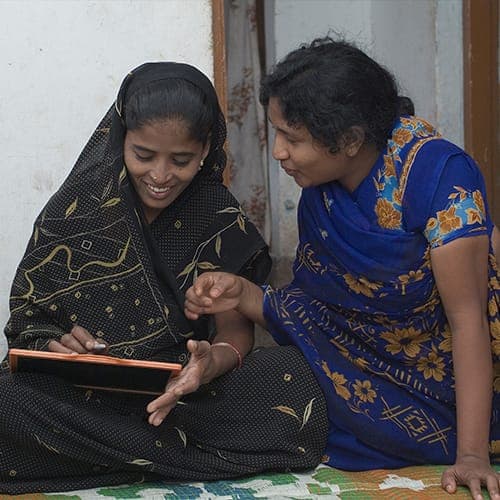
Female missionaries are one of the keys to reaching women!


One woman’s story shows how God can work through their presence and care. Shiuli found herself completely alone. At just 21 years old, she had lost all her friends and her husband had died. She was desperate for help.[3]

Her troubles began when she was just 14 years old and her parents arranged her marriage to a man named Tarun. The couple moved to Kathmandu, Nepal where they both found jobs in the carpet industry. They had three daughters. After seven years of marriage, Shiuli’s husband died after struggling with an illness. She suddenly found herself a young widow. In that moment, she needed more than words—she needed help that could steady her life. Grief and worry can feel even heavier when someone has no close support nearby.

To her horror, she watched her youngest daughter die of malnutrition. She worried she would be next, leaving her daughters homeless orphans. She simply could not provide for her family’s needs. Her fear was real, and her options felt small. In moments like this, small acts of kindness can feel like lifelines.

Then one day, two women walked into her workplace and explained that they were followers of Jesus. As Shiuli listened to their kind words, she heard hope that she’d never known before. The missionaries helped her find a church. Now she is learning more about God. As a result, she has found answers to many of her questions and has found peace. The help she received was offered with care, and she was free to ask questions and learn at her own pace. When someone is hurting, being treated with patience and respect can be the first step toward healing.

“The Lord has blessed me in such a wonderful way that He has provided shelter, food, special care and attention through His people,” Shiuli says.
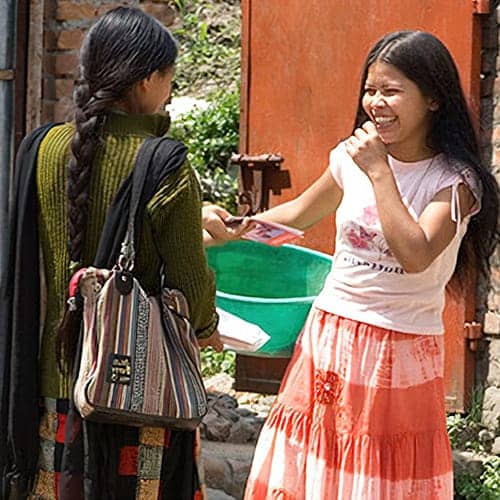
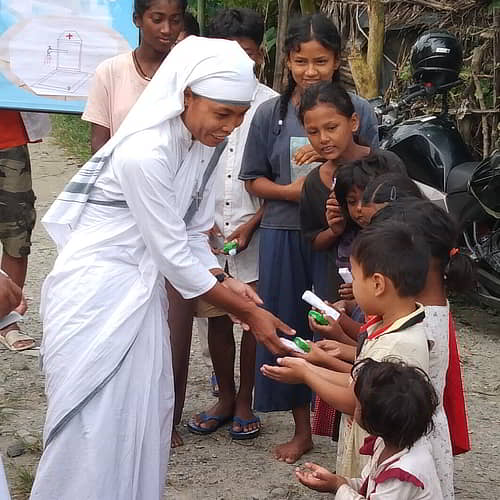
Will you pray for women as they faithfully respond to God’s call and serve their Savior? Here are some specific ways to pray for women participating in Christian missionary work:


  • Safety – Many of GFA’s female missionaries serve in high-need areas, including underserved neighborhoods and communities facing serious health challenges. Pray with us for God’s protection over these faithful servants. Pray for wise steps, safe travel, and steady courage. Pray also for trustworthy friendships and local support that can help them navigate each day wisely. Pray that they will have discernment in new situations. Pray they will never feel isolated, and that help will be close when needed.
  • Compassion – May God give them compassion so they can share with others. GFA missionaries are often called to serve widows, grieving mothers, and people affected by serious illness. May God provide compassionate hearts and empathy to these women who are called upon in difficult situations. Pray that their care feels gentle, patient, and respectful. Ask the Lord to help them listen well, so each woman they meet feels valued and not overlooked. Pray that compassion will be matched with wisdom. Pray that each woman they serve will feel treated with dignity.
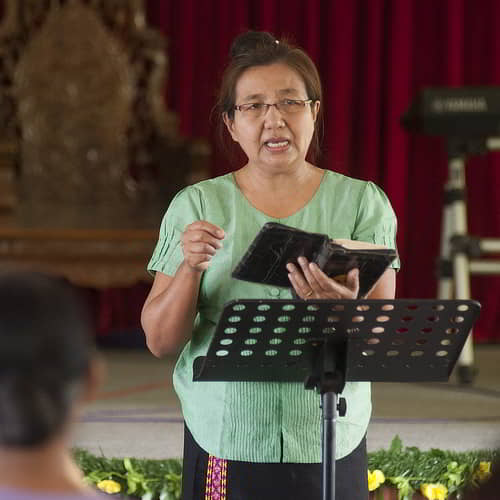
  • Skill – Pray for skill as these women teach God’s Word, Bible studies, literacy classes and vocational training classes to women in their ministry. Pray for clear teaching and strength for the long work of mentoring. Pray that what is taught will be useful in daily life and bring steady hope to homes and communities. Pray for patience when progress feels slow. Pray for joy and energy that lasts through long seasons of service.
  • More Missionaries – Pray that God will raise up women to serve as missionaries and give them a desire to serve in their communities. Pray for healthy support, good training, and lasting encouragement. Pray that those who are called will find wise guidance and strong spiritual care along the way. Pray also for families and churches who will encourage them with steady care and prayer.

GFA’s Christian missionaries in Asia and other regions are willing to sacrifice their health, well-being and even their lives to share the love of Jesus with women. In addition to praying, you can financially support a woman missionary today. If you choose to give, pray that your support will strengthen steady, respectful service and meet real needs with kindness. Your prayers matter, even when you cannot see the day-to-day needs. And steady support can help that care continue month after month.

A monthly pledge of $45 can help support the ongoing missionary service of female missionaries and allows you to invest in their lives and ministry through your prayers.

Learn more on Missionary FAQs
[1] “Pray for Asia’s Women Missionaries.” GFA World. https://www.gfa.org/pray/women-missionaries/. Accessed September 5, 2022.
[2] “Believers Vulnerable Because of Illiteracy.” GFA World. https://www.gfa.org/news/articles/over-250-million-women-in-asia-are-illiterate/. Accessed September 5, 2022.
[3] “Nepalese Woman Finds Hope Amidst Great Loss.” GFA World. https://www.gfa.org/news/articles/nepalese-woman-finds-hope-amidst-great-loss/. Accessed September 5, 2022.
[4] Contributors to Wikimedia projects. “Gladys Aylward.” Wikipedia, September 19, 2025. https://en.wikipedia.org/wiki/Gladys_Aylward.
[5] Contributors to Wikimedia projects. “Amy Carmichael.” Wikipedia, October 30, 2025. https://en.wikipedia.org/wiki/Amy_Carmichael.
[6] Contributors to Wikimedia projects. “Lottie Moon.” Wikipedia, November 18, 2025. https://en.wikipedia.org/wiki/Lottie_Moon.
[7] “What You Need to Know about Literacy.” September 5, 2025. https://www.unesco.org/en/literacy/need-know.