What are the 10/40 Window Countries?
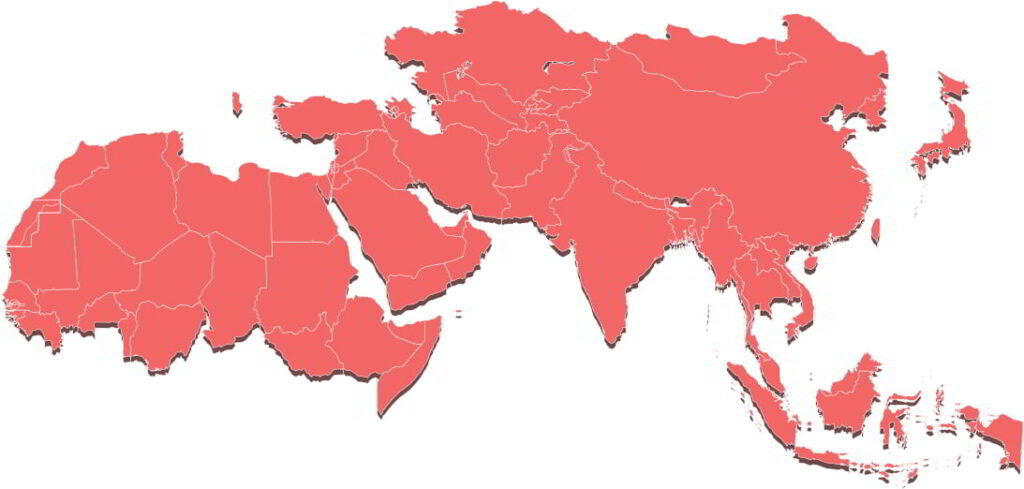
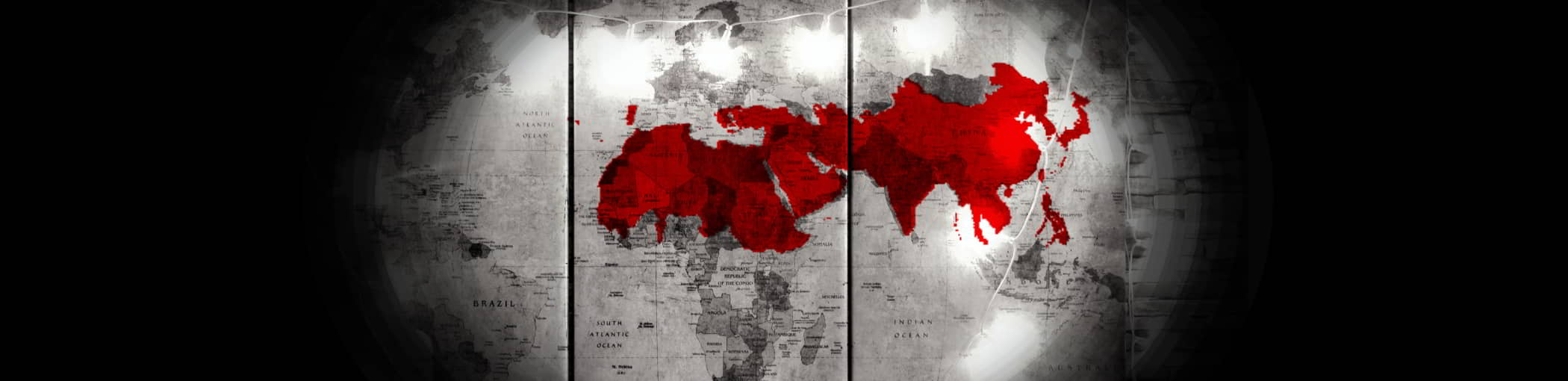
The 10/40 window countries consist of those that fall within or are very near 10 degrees and 40 degrees north latitude. This term was coined in 1990 by a missions’ researcher who found that the vast majority of people living in this geographical area are not Christians, nor have they probably ever seen a Bible or heard about Jesus.[1] The 10/40 window is home to approximately 5.44 billion people across 8,580 distinct people groups.
This rectangular region stretches north of the equator across three continents. It extends from North Africa through the Middle East and into Asia. The region includes parts of Southeast Asia, South Asia, and East Asia. Countries like South Korea, which sits near the upper boundary, demonstrate how economic development can occur even in spiritually challenging regions. Despite growth in nations like South Korea, poverty remains widespread across the window.
The window begins in Morocco on Africa’s northwestern coast. It sweeps eastward through North Africa’s desert nations. From there, it encompasses the Middle East before continuing into Central and South Asia. The eastern edge reaches Japan, covering a span of nearly 11,000 miles. This vast geographic stretch means that Africa, the Middle East, and Asia all intersect within this critical region.
These countries also have some of the highest concentrations of poor and underserved people groups in the world. According to the Joshua Project, “Of the poorest of the poor, more than eight out of ten live in the 10/40 Window. On average, they exist on less than a few hundred dollars per person per year.”[2]
The economic disparities within this region create immense suffering. Poverty gaps leave millions without access to healthcare, education, or clean water. Rural communities often fare worse than urban centers. Agricultural workers struggle to feed their own families despite working the land daily. Extreme poverty affects millions across North Africa, the Middle East, and South Asia.
The Religious Landscape
The 10/40 window is home to the majority of the world’s unreached people groups. These are communities with no access to the good news of Jesus Christ. The region encompasses followers of Islam, Hinduism, and Buddhism, representing billions who practice these faiths. This concentration of non-Christian religions has led some to describe the area as the “resistant belt.” Researchers have called the resistant belt a zone of deep religious and social tradition.
Islamic faith dominates across North Africa, the Middle East, and parts of Asia. Hinduism shapes the worldview of hundreds of millions in South Asia. Buddhism influences daily life throughout Southeast Asia and parts of East Asia. Each of these traditions brings unique perspectives on life, death, and purpose. The faiths of Islam, Hinduism, and Buddhism shape worship, law, and governance across many nations.
Beyond these major faiths, folk religions and animistic practices persist in many rural areas. Spirit worship, ancestor veneration, and shamanistic traditions often blend with dominant religious systems. This religious complexity requires servants to approach each community with cultural sensitivity and respect.
Billions of people live in this vast area of the globe, many of them uncontacted and unknown, and, therefore, not regularly prayed for. Keeping this area in our prayers is important to the service being done by groups like GFA World and our workers. Within these billions, countless individuals have never heard the good news of Jesus Christ, presenting both a profound challenge and an urgent call to service.
Understanding the unique cultural and religious landscape of each nation helps servants approach communities with wisdom. In South Asia, for instance, cultural practices shape daily life for hundreds of millions of people. Across Africa, the Middle East, and into Asia, traditional customs form the foundation of entire societies. Southeast Asia presents its own distinct blend of religious and cultural influences. The cultural diversity of Southeast Asia encompasses hundreds of ethnic groups and languages.
Languages add another layer of complexity to this vast region. Thousands of distinct languages exist within the 10/40 window. Some communities speak languages used by only a few thousand people. This linguistic diversity makes translating helpful resources a monumental task.
Critical Needs and Challenges
Not only do the majority of the world’s poor live here, but this large block of territory is home to horrific levels of child labor, human trafficking and terrorist organization activity.
Yet, little attention is paid to this area by many churches and organizations. As Window International Network puts it, “Though the needs are both desperate and urgent, only 5¢ out of every $100 spent on missions globally is directed toward the 10/40 Window. That’s 0.0005% of all mission money designated to bring the Gospel to 66% of the world’s population!”[3] This disparity means billions of unreached people groups receive minimal support.
Child labor remains prevalent throughout the region. Children as young as five work in dangerous conditions. They labor in fields, factories, and quarries instead of attending school. This robs them of education and childhood itself.
Human trafficking exploits the most vulnerable. Criminal networks prey on impoverished families desperate for income. Women and children face particular risks. The problem spans borders, making it difficult for any single nation to address effectively.
Health crises compound existing poverty. Malaria kills hundreds of thousands annually in affected regions. Lack of clean water spreads waterborne diseases. Preventable illnesses take lives that basic healthcare could save. Across North Africa and South Asia, millions lack safe drinking water.
Despite these challenges, the Great Commission calls believers to serve all nations. This ancient mandate remains relevant today. Within North Africa, the Middle East, and Asia, countless families struggle without basic necessities. Economic vulnerability leaves them exposed to exploitation and despair. The Great Commission compels servants to demonstrate God’s love through practical care in even the most challenging environments.
Natural disasters strike with devastating frequency in many 10/40 window countries. Floods, earthquakes, and typhoons destroy homes and livelihoods. Recovery takes years, during which families remain vulnerable. Climate patterns increasingly threaten agricultural communities.
GFA’s Compassionate Response
GFA not only sees these people groups but is actively working to bring compassionate service and care to many of them. GFA national missionaries tune themselves into the community where they serve, first to pray for them and then to connect them with needed services that generous donors make possible.
These dedicated servants understand that demonstrating Christ’s love begins with meeting immediate needs. Clean water, medical care, and educational support open doors for relationships. Through these practical expressions of care, families discover hope. The approach honors local cultures while addressing real suffering.
GFA workers provide clean water wells that transform entire villages. Access to safe drinking water prevents disease and frees women and children from hours of daily water collection. This single improvement creates ripple effects throughout communities.
Educational programs give children hope for a better future. After-school tutoring helps them succeed academically. Literacy programs equip adults with skills they need for employment. These initiatives break cycles of poverty that have persisted for generations.
Medical camps bring healthcare to remote areas. Doctors and nurses treat ailments that would otherwise go unaddressed. Free medicines and eyeglasses improve quality of life. For many patients, these camps provide their first-ever medical examination.
Regional Diversity
Geographic diversity within the 10/40 window presents unique challenges for every region. Southeast Asia faces monsoons, flooding, and dense populations. Across North Africa and the Middle East, desert conditions create severe water scarcity. South Asia contends with extreme poverty that traps generations in cycles of hardship.
Each context requires servants who understand local realities. GFA workers live among the communities they serve. This presence allows them to respond with culturally appropriate solutions. It also enables them to build trust over time.
North Africa and the Middle East face particular water challenges. Water scarcity affects millions across the region. Ancient wells run dry as populations grow. Women often walk miles daily to collect water for their families. This burden prevents girls from attending school regularly.
In Southeast Asia, rapid urbanization creates new challenges. Slums expand as rural families migrate to cities seeking work. Overcrowded conditions breed disease and desperation. Children growing up in these environments face particular vulnerabilities.
South Asia’s massive population density compounds every challenge. High population density strains limited resources. Agricultural land shrinks as families subdivide properties across generations. This leaves farmers unable to produce enough food for their own needs.
One special and loving way to partner with GFA in this work is to sponsor a child, which also helps his or her family. If billions of people live in the 10/40 window, then billions of children do, too. Many go without not just one day a week, but most days a week. From food insecurity to lack of education to contaminated water and more, they are extremely vulnerable, day after day.
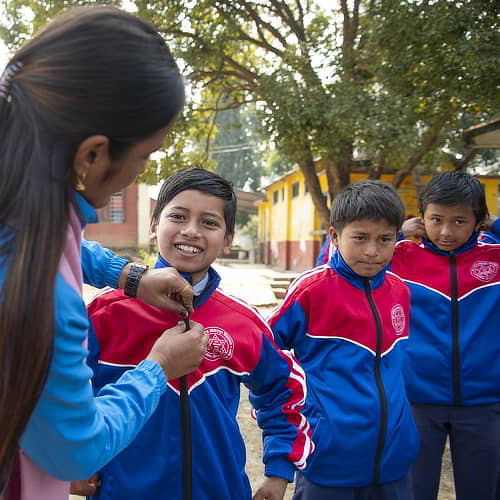
Children in these regions face dangers that many cannot imagine. Child labor forces millions into hazardous work at young ages. Human trafficking networks prey on the most vulnerable families. Without intervention, entire childhoods vanish into exploitation and suffering.
Malnutrition stunts physical and mental development. Children who lack adequate nutrition struggle in school. They become sick more easily and recover more slowly. The effects of early malnutrition last a lifetime.
Education remains out of reach for millions of children. School fees, uniform costs, and textbook expenses prove insurmountable for poor families. Parents must choose between feeding their children today or educating them for tomorrow. This impossible choice traps families in poverty.
Yet hope exists through compassionate action. Sponsorship creates a bridge between a caring individual and a child in desperate need. This connection transforms both lives involved. The child receives tangible help, while the sponsor experiences the joy of giving.
Sponsored children gain protection from common threats. Regular meals improve their health and ability to learn. School support keeps them away from dangerous labor. Medical checkups catch problems early when treatment is most effective.
The Power of Child Sponsorship
Through sponsorship, you can be sure they get nutritious food, assistance with school fees and supplies, as well as tutoring assistance. You, too, as sponsor, can pray for your child by name, knowing the many and varied threats they and their families face.
The sponsorship program addresses needs holistically. Nutritional support helps children grow healthy and strong. Educational assistance keeps them in school and away from dangerous labor. Medical care protects them from preventable diseases.
Beyond physical needs, children discover their worth and dignity. They learn that someone across the world cares about their future. This knowledge alone can transform a child’s sense of possibility. It can break the cycle of hopelessness that poverty creates.
Sponsors receive regular updates about their child’s progress. Photos and letters create a personal connection. This relationship becomes a source of encouragement for both the child and sponsor. Many sponsors report that giving to a child enriches their own faith journey.
Children attend after-school programs where they receive help with homework. Tutors provide individualized attention that crowded public schools cannot offer. These programs also teach life skills and character development. Children learn values like honesty, kindness, and perseverance.
The impact extends beyond the individual child to entire families. When a child receives nutritious meals through sponsorship, parents gain relief from impossible burdens. Educational opportunities open doors that were previously closed. Communities begin to change as children thrive.
Parents whose children participate in sponsorship programs often experience renewed hope. They see their children healthy, attending school, and dreaming of better futures. This visible transformation encourages them to persevere through their own struggles. Some parents find renewed purpose in supporting their children’s education.
Entire communities benefit when children thrive. Educated children grow into adults who can lift their families from poverty. They become teachers, nurses, and business owners who serve their own communities. This creates lasting change that extends far beyond one generation.
Spiritual Transformation Through Service
Through God’s grace, what begins as meeting physical needs often blossoms into spiritual transformation. Families experience the tangible love of Christ through the actions of GFA workers. This demonstration of care speaks louder than words. It shows that God sees them, knows them, and loves them deeply.
Many families first encounter the message of God’s love through acts of service. A clean water well demonstrates that someone cares about their daily struggles. Medical treatment shows that their health matters. Educational support proves that their children’s futures have value.
GFA workers build relationships over months and years of faithful service. They become trusted members of the community. When families face crises, they know who will stand beside them. This long-term presence creates opportunities for deeper conversations about faith and hope.
The good news of Jesus Christ becomes credible when accompanied by genuine care. Families see that love expressed through action, not just words. They witness servants who sacrifice comfort to meet their needs. This authentic love opens hearts to spiritual truth.
Sponsorship creates a three-way partnership between sponsor, child, and GFA workers. Sponsors pray faithfully for children they may never meet in person. GFA workers provide daily care and oversight. Children receive both practical support and the knowledge that they are loved and valued.
Many sponsors describe how their sponsored child has impacted their own faith. Praying regularly for a child in poverty deepens compassion and gratitude. Receiving letters and photos makes global needs personal and urgent. The relationship reminds sponsors to focus on eternal priorities.
Sponsor today and you will be entering into the work of the 10/40 window.
Learn more about the 10/40 window map[1] “What is the 10/40 Window?” Joshua Project. Accessed June 2023. https://joshuaproject.net/resources/articles/10_40_window.
[2] Ibid.
[3] “The 10/40 Window,” Window International Network, accessed June 2023, https://www.win1040.org/about-the-1040-window/.