
What Are the 10/40 Window Nations?
The 10/40 Window describes a geographic region extending roughly from West Africa through Asia. It spans from 10 degrees to 40 degrees north of the equator. This rectangular area is home to the highest concentration of unreached people groups in the world. Missionary strategist Luis Bush coined “10/40 Window” in 1990. Previously, it was called the “resistant belt.”
The term helps mission organizations identify where people living without access to the Gospel are most concentrated. Missions researchers have long recognized this region as critical for reaching the unevangelized. The window includes North Africa, the Middle East, and much of Asia.
A recent update has added several countries to the list of 10/40 Window nations. This highlights the growing need to share the Gospel with the most inaccessible people in the world. Albania is now included, as well as Azerbaijan, Brunei, Indonesia and Malaysia.
According to Joshua Project, the revised list acknowledges nations where large populations have yet to hear about Christ, even if these countries aren’t entirely within the original latitude boundaries.
Population and Unreached Communities
The updated approach recognizes that population lives and spiritual need matter more than strict geographic boundaries. Approximately 5.44 billion people now live in the 10/40 Window according to current estimates. This represents more than two-thirds of the world’s population.
Within this vast region, approximately 3.45 billion people live in unreached people groups. These communities have minimal access to the Gospel. The concentration of need within this geographic window makes it a priority focus for mission organizations worldwide.
This concentration means the 10/40 window is home to the majority of the world that has limited access to Christian resources.
GFA World works in many of the Asian countries that have always been on the list. Still, a number of the most populated countries in the world are largely untouched. Research from Joshua Project reveals these nations contain vast populations who have never heard the Good News.
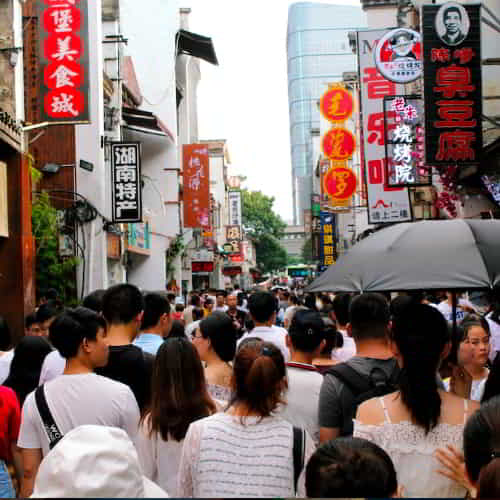
In China, for example, 441 out of the 545 people groups are considered inaccessible. The largest religion in China is atheism, and only 9 percent of the population is Christian. This reality affects hundreds of millions of individuals across the region.
The concept of unreached people groups helps mission organizations focus their efforts. These are distinct communities where believers and resources remain scarce. Without outside help, many of these groups have little chance of hearing about Jesus Christ and responding to His love.
Each people group has its own language, customs, and cultural identity. Mission researchers track over 17,000 distinct people groups globally. The majority of the world’s unreached groups are located within the 10/40 Window. This concentration makes strategic partnership and prayer essential.
Challenges and Restrictions
GFA has a presence in China, despite officials strongly restricting the practice of Christianity. Open Doors tracks religious restrictions worldwide through its World Watch List. The organization notes that believers in many 10/40 Window nations face significant challenges when practicing their faith.
Even though persecution is reported in most parts of China, the “underground” church is faithful in reaching out with the Gospel. Faithful believers continue meeting in homes and sharing their testimony despite the risks. If they are caught, the consequences can be extreme. GFA is part of that effort.
Throughout Southeast Asia, Africa, and the Middle East, similar restrictions affect how believers can gather and share their faith. Yet local churches persist in demonstrating Christ’s love through patient witness and practical service. In some countries, believers face loss of employment, family rejection, or imprisonment.
Despite these obstacles, the church continues to grow in many 10/40 Window nations. Pew Research Center data shows that religious restrictions have increased globally in recent years. Yet faithful witness continues as believers demonstrate courage and commitment.
Urban Poverty and Rapid Growth
GFA also has a large presence in the South Asia region where many large cities are overcrowded and work is scarce. According to World Bank data, rapid urbanization has created massive slum communities across South Asia. When people can’t find work, they can’t afford to return to their small villages. So they have no other option but to live in large slum areas.
UN statistics reveal 85 percent of slum dwellers are in Central/Southern Asia (359 million), Eastern/South-Eastern Asia (306 million), and sub-Saharan Africa.
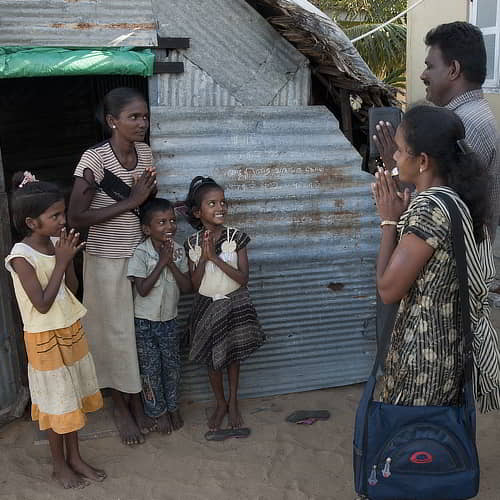
In those places, there is no visible hope of a better future. Millions of people living in these urban areas struggle daily with poverty, lack of clean water, and limited access to education. These are the areas where GFA works to reach the poorest of the poor with God’s love and the hope that flows from that love.
GFA’s Compassionate Response
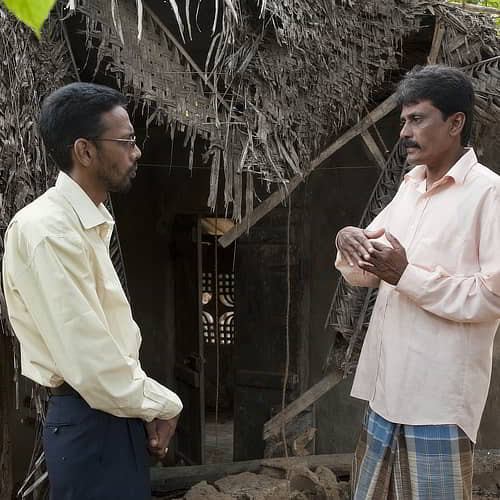
GFA’s community programs address both immediate physical needs and long-term transformation. Through wells, literacy classes, and economic development, workers demonstrate that Christ’s followers care about every dimension of human need. United Nations projections indicate that urban populations in Asia and Africa will continue growing rapidly.
This urbanization creates both challenges and opportunities for ministry. Concentrated populations make it easier to reach many people. Yet urban contexts often include diverse people groups and languages. National missionaries who understand these environments can navigate cultural sensitivities while building genuine relationships.
GFA is working in many ways and in many places sharing the love of Jesus Christ with those who have never heard. The Great Commission in Matthew 28:19-20 commands believers to “make disciples of all nations.” This mandate drives mission work throughout the 10/40 Window.
National Missionaries Leading the Way
National missionaries understand the culture and how best to communicate the Good News. They speak the local languages fluently and understand cultural contexts that might be unfamiliar to outsiders. This helps them build trust and communicate effectively. National workers can access communities where foreign missionaries might face restrictions or barriers.
GFA World’s Child Sponsorship Program meets the basic needs of kids. This helps them see God’s love at work. Children receive education, nutritious meals, healthcare, and spiritual nurture. Research shows that holistic programs addressing both physical and spiritual needs create lasting transformation.
When children learn to read and write, they gain tools for breaking cycles of poverty. When they receive adequate nutrition and medical care, they can focus on learning. When they hear that God loves them, many experience hope for the first time.
Disaster relief efforts rescue victims during tragedy. Workers help rebuild communities after the dust has settled. This displays God’s constant presence and care. When floods, earthquakes, or other disasters strike, GFA’s teams respond quickly with emergency supplies, medical care, and support. International disaster response organizations note that local workers often provide the most effective immediate assistance.
GFA also develops communities. This helps pull families and villages out of disease and poverty. Through gifts of livestock like goats and chickens, families gain sustainable sources of milk, eggs, and income. Animal husbandry programs have proven effective in helping rural families achieve economic stability.
It also allows people to see the power and love of Christ. Wells provide clean water where contaminated sources once caused disease. Simple toilets improve sanitation and community health. These practical demonstrations of care open conversations about the One who offers living water.
When communities receive clean water, disease rates drop significantly. World Health Organization data shows that access to clean water prevents numerous waterborne illnesses. Families spend less time collecting water and more time on education.
It takes many people working together to maintain all these ministries. The 10/40 Window is home to the majority of the world that has yet to hear the Gospel. Despite the challenges, believers worldwide are responding through prayer, support, and partnership.
Regional Diversity Within the Window
The revised 10/40 Window now includes countries across North Africa, Africa the Middle East, and Asia—creating a band that encompasses tremendous diversity. From the deserts of North Africa to the crowded cities of Southeast Asia, each region presents unique opportunities and challenges for ministry.
In North Africa, Islam is the dominant religion. Countries like Morocco, Algeria, and Tunisia have deep Islamic roots. Yet pockets of believers gather quietly to worship and share their faith.
In Southeast Asia, Buddhism and traditional Asian religions shape cultural contexts. Countries like Thailand, Myanmar, and Cambodia present different challenges. Yet the underlying need remains the same—billion people need to hear about God’s love.
Some nations that were once mission fields are now sending missionaries themselves. South Korea was heavily evangelized in the mid-1900s and today sends thousands of missionaries worldwide. This demonstrates how God can work powerfully through long-term, faithful witness.
Urbanization and New Challenges
The world’s population lives increasingly in urban areas within the 10/40 Window. UN data shows by 2050, nearly 70% will live in cities—many in Asia and Africa megacities. This creates opportunities for sharing the Gospel in concentrated centers. Megacities allow national missionaries to reach multiple communities within a single city.
Partnering in This Mission
For believers who want to make a difference, the 10/40 Window represents urgent need and incredible opportunity. Every prayer, every gift, and every act of service contributes to bringing hope to communities that have waited generations.
Please consider joining this mission to reach people who don’t yet know Christ in the 10/40 window and beyond. The 10/40 window is home to billion people who need to hear the Good News. Your partnership can make an eternal difference in communities where Christ’s name has never been spoken.
Every month, faithful supporters make it possible for national missionaries to continue their work. Some sponsor individual missionaries. Others support children through the sponsorship program. Still others give toward specific needs like wells, disaster relief, or community development.
You can help by sponsoring a missionary or a child or by simply donating toward GFA’s efforts. Even a small monthly commitment helps national missionaries continue sharing Christ’s love with those who have never heard. Together, we can see the 10/40 Window is home to vibrant communities of believers who worship Jesus Christ and share His love with their neighbors.
Learn more about the 10/40 window[1] “What is the 10/40 Window?” Joshua Project. https://joshuaproject.net/resources/articles/10_40_window. Accessed June 16, 2023.
[2] “Country: China.” Joshua Project. https://joshuaproject.net/countries/CH. Accessed June 16, 2023.
[3] “Other Countries We Serve.” GFA World. https://www.gfa.org/regions/other/. Accessed June 16, 2023.
[4] “About Us.” GFA World. https://www.gfa.org/about/. Accessed June 16, 2023.