What Do I Need to Know about How to Sponsor a Family in Need?
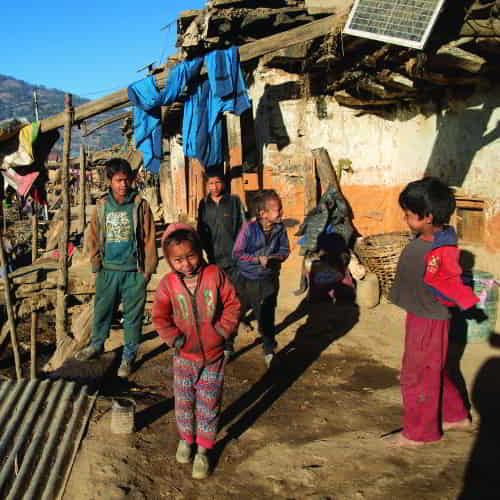
The first thing to know about how to sponsor a family in need is that there are good and sustainable ways to help. Progress can be made. Efforts by many countries and nonprofit organizations have culminated in major gains in reducing the number of poor.[1] However, more work can and must be done. When considering a sponsorship program, it helps to understand the current landscape—approximately 1.1 billion people across 112 countries live in multidimensional poverty.
Our World in Data provides this summary of the current situation:
“Two centuries ago, the majority of the world population was extremely poor. Back then it was widely believed that widespread poverty was inevitable. But this turned out to be wrong. Economic growth is possible and poverty can decline. The world has made immense progress against extreme poverty.
“But even after two centuries of progress, extreme poverty is still the reality for every tenth person in the world. This is what the ‘international poverty line’ highlights – this metric plays an important (and successful) role in focusing the world’s attention on these very poorest people in the world.
“The poorest people today live in countries which have achieved no growth. This stagnation of the world’s poorest economies is one of the largest problems of our time. Unless this changes, millions of people will continue to live in extreme poverty.”[2]
The data reveals a complex picture. While poverty rates have fallen globally, progress has been uneven and fragile.
This shows us that change can happen. To make real progress, we have to address the economic barriers that often halt advancement. Stimulating an economy is done by getting people to purchase goods and services. But what if there are no goods and services to purchase or offer? That’s where GFA World seeks to help. Many families lack access to basic necessities like clean water, adequate nutrition, and healthcare—foundations for any path out of poverty.
Through the partnership of people like you, GFA offers farm animals and other items that lead to income streams for those with fewer choices, something that is often a reality if education was never available to them. Effective relief programs focus on sustainable solutions rather than temporary fixes.
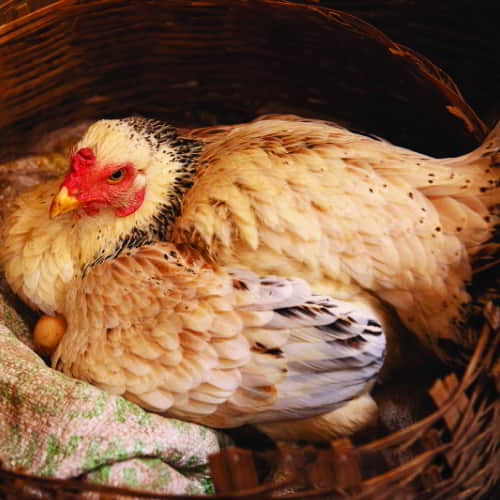
For example, the gift of a pair of chickens can be a life-changing opportunity for a consistent income stream. Chickens lay eggs, which can be eaten and sold. They can also be fertilized and hatched and a whole chicken farm created. These chickens can then be sold or used for more eggs or meat. Thus, a small business is born.
Understanding the Reality of Poverty Today
According to UN Sustainable Development Goal monitoring, in low-income countries, 33 percent of school-aged children and youth are out of school, compared to just 3 percent in high-income countries. This educational gap perpetuates cycles of poverty, limiting opportunities for economic advancement across generations.
Without access to quality education, families struggle to break the cycle of poverty that keeps them dependent on low-wage manual labor.
Educational barriers compound with other challenges. Over half of the 1.1 billion people living in multidimensional poverty are children, according to the 2024 Global Multidimensional Poverty Index. These children often lack adequate housing, sanitation, electricity, nutrition, and school attendance—deprivations that shape their entire futures.
The challenge extends beyond individual families to entire communities. In regions affected by prolonged conflict, poverty reduction has stagnated or even reversed. Economic opportunities remain scarce where infrastructure has deteriorated and markets have collapsed.
Practical Ways to Make a Lasting Impact
Supporting families in need requires thoughtful approaches that extend beyond one-time charitable acts. Sustainable support creates lasting change.
Today, raising awareness about effective humanitarian approaches has become easier through multiple channels. Many donors now research organizations thoroughly before committing their support, seeking evidence of real impact rather than simply responding to emotional appeals.
Recent charitable giving data shows that 32 percent of donors are most inspired to give via social media, followed by email and nonprofit websites. This shift reflects changing communication patterns, particularly among younger donors who prioritize transparency and measurable outcomes.
Engaging family members in the giving process creates meaningful traditions and teaches younger generations about compassion and social responsibility. Many households now discuss charitable choices together, selecting causes that align with their values and making giving a shared family experience.
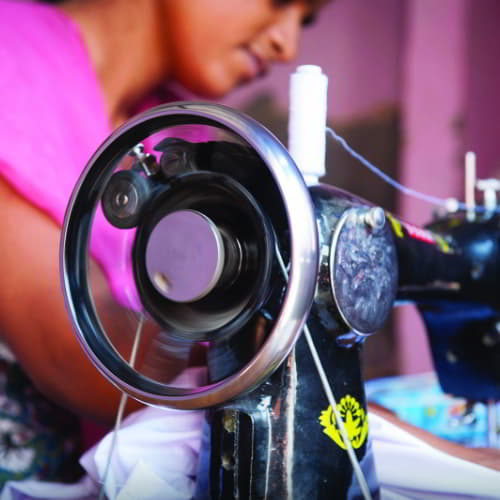
Look through our Christmas Gift Catalog and pray about which item God wants you to gift this holiday season. Perhaps it is a pair of goats or a cow. Maybe a sewing machine that would help a widow start her own business. Perhaps you want to gift skills training in a career like tailoring or farming. Or you may have a heart for literacy and desire to gift a community with reading classes. There are so many ways to bless those in need through our proven methods of helping the poor.
The Ripple Effect of Sustainable Support
When one family receives sustainable support, the benefits often extend throughout their community. Research on humanitarian aid effectiveness demonstrates that community-led solutions yield stronger long-term outcomes than externally imposed programs. Local partnerships create sustainable change that outlasts any single intervention.
The multiplier effect operates on several levels. A family that gains steady income through livestock not only feeds themselves but also contributes to the local economy. They purchase goods from neighbors, support local markets, and demonstrate pathways out of poverty that others can follow.
This kind of transformation does not happen overnight. It requires sustained commitment from both donors and organizations. Yet the evidence shows that strategic, sustained support creates lasting change that transcends individual recipients.
Pray today about how God would lead your generous heart.
Learn more about how to sponsor a family at Christmastime and make an amazing difference in their lives.[1] Project, Borgen. “15 Organizations Fighting Poverty in Developing Countries.” The Borgen Project, June 8, 2017. https://borgenproject.org/organizations-fighting-poverty-developing-countries/.
[2] “Extreme Poverty: How Far Have We Come, How Far Do We Still Have To Go?” Our World in Data. November 22, 2021. https://ourworldindata.org/extreme-poverty-in-brief.